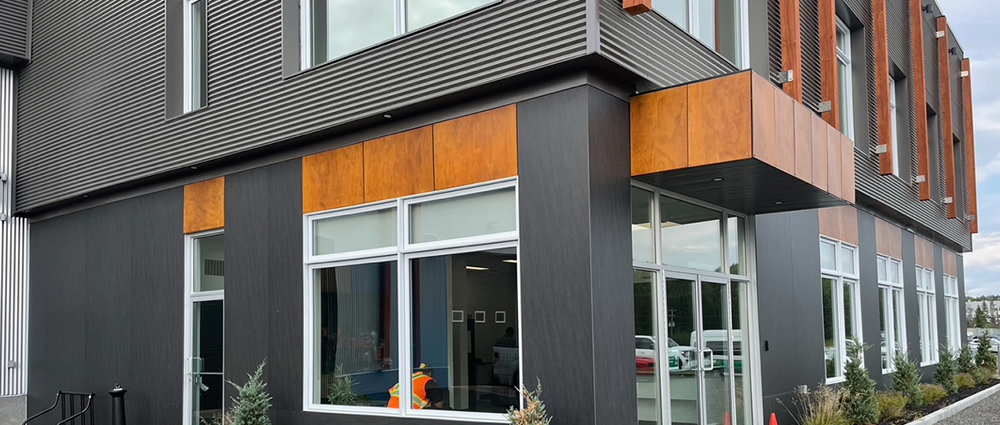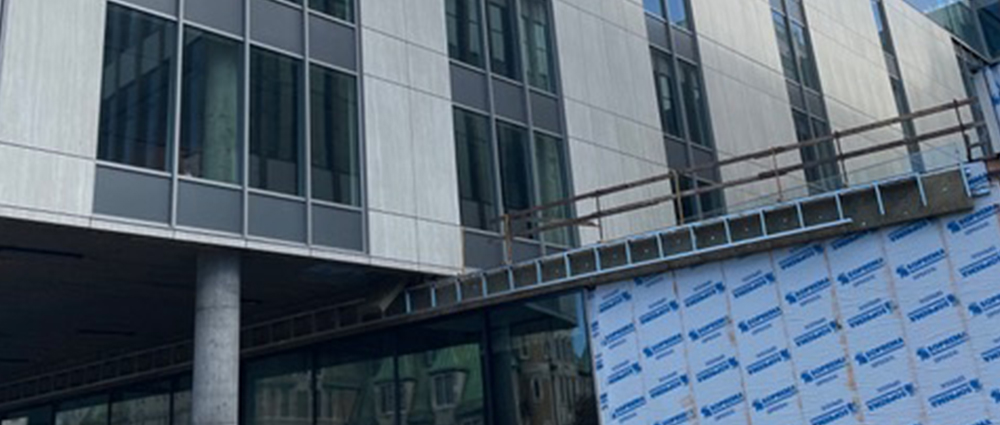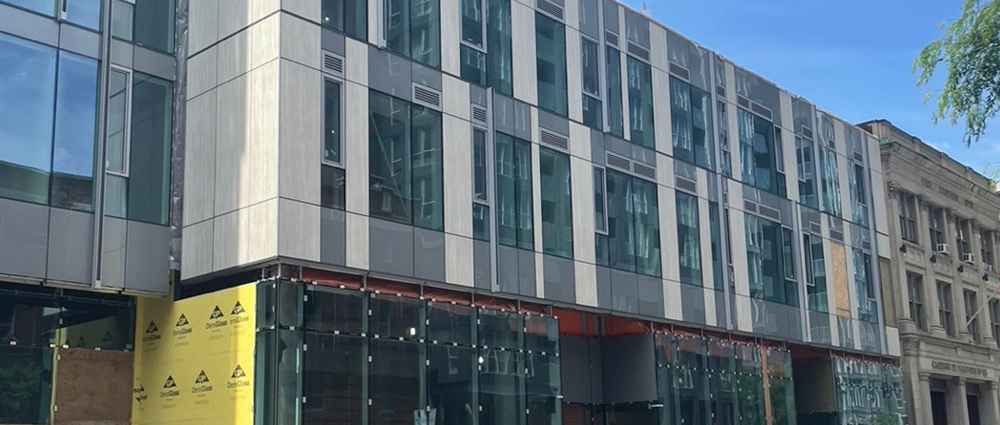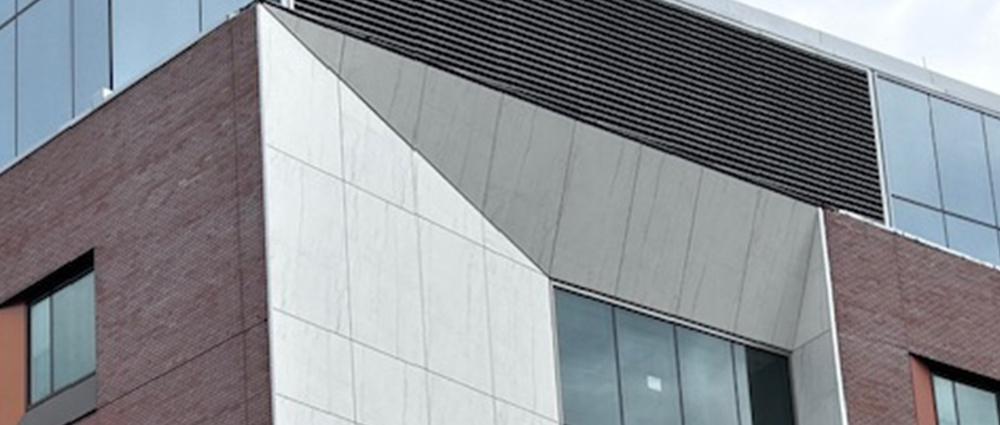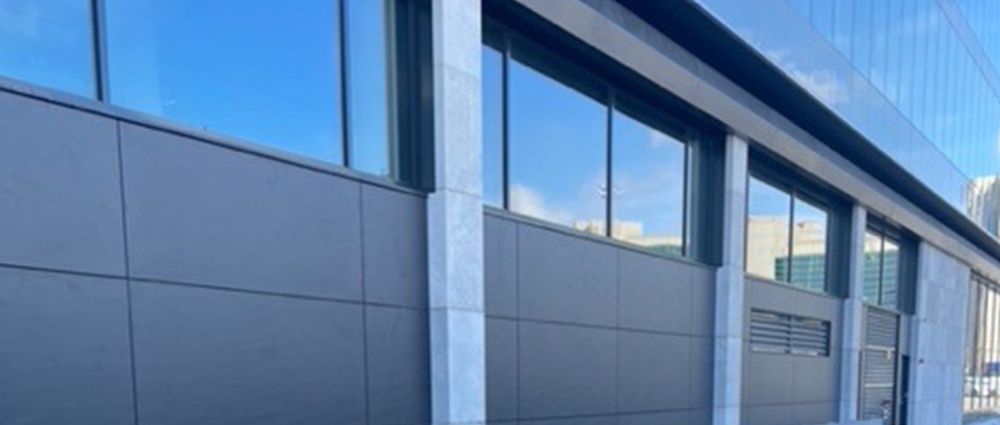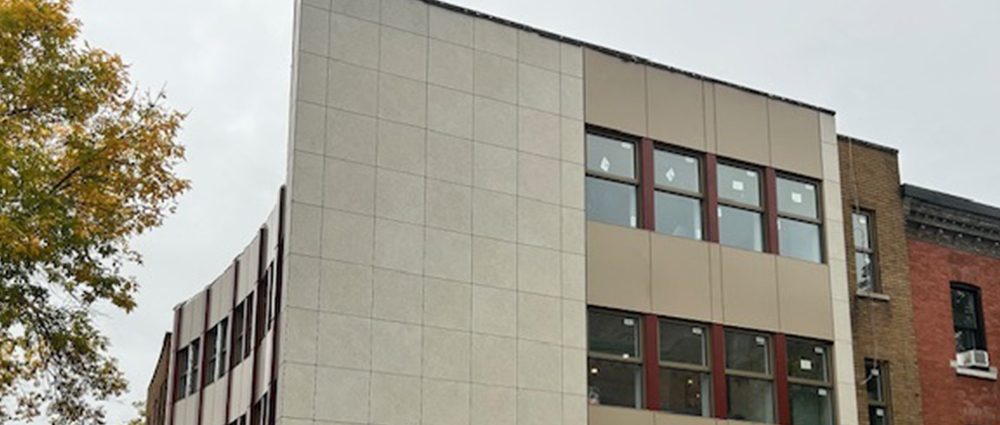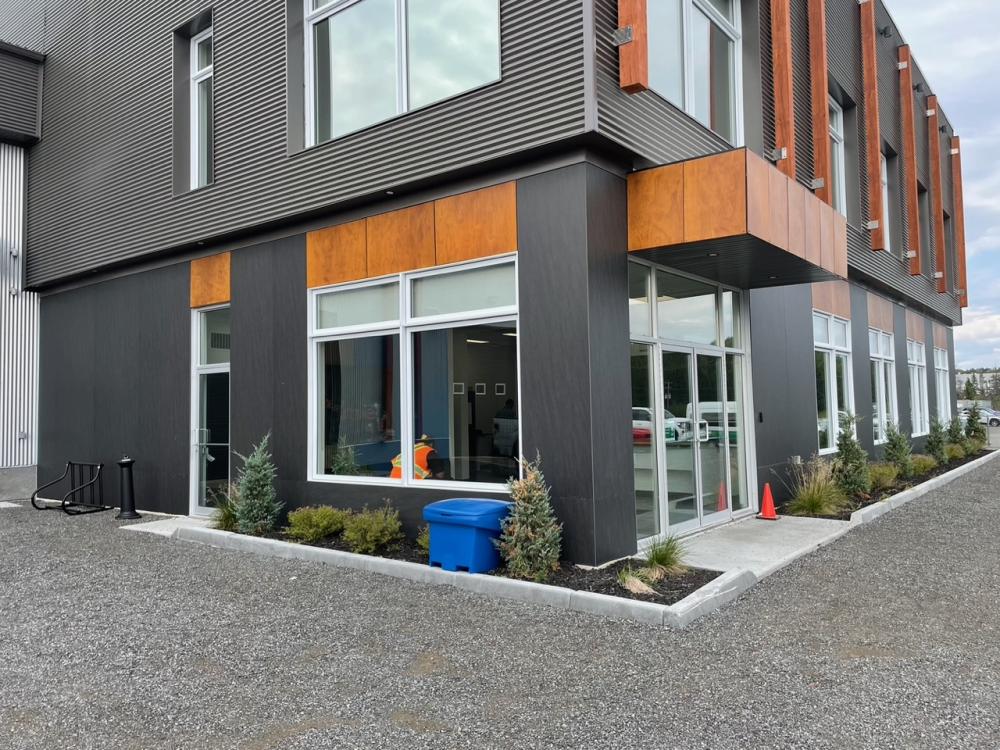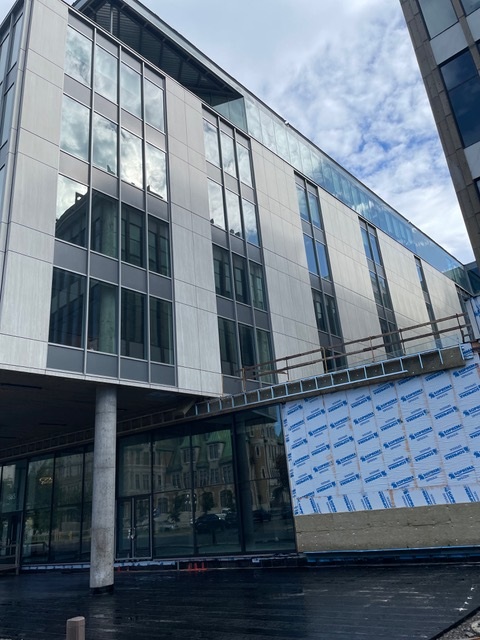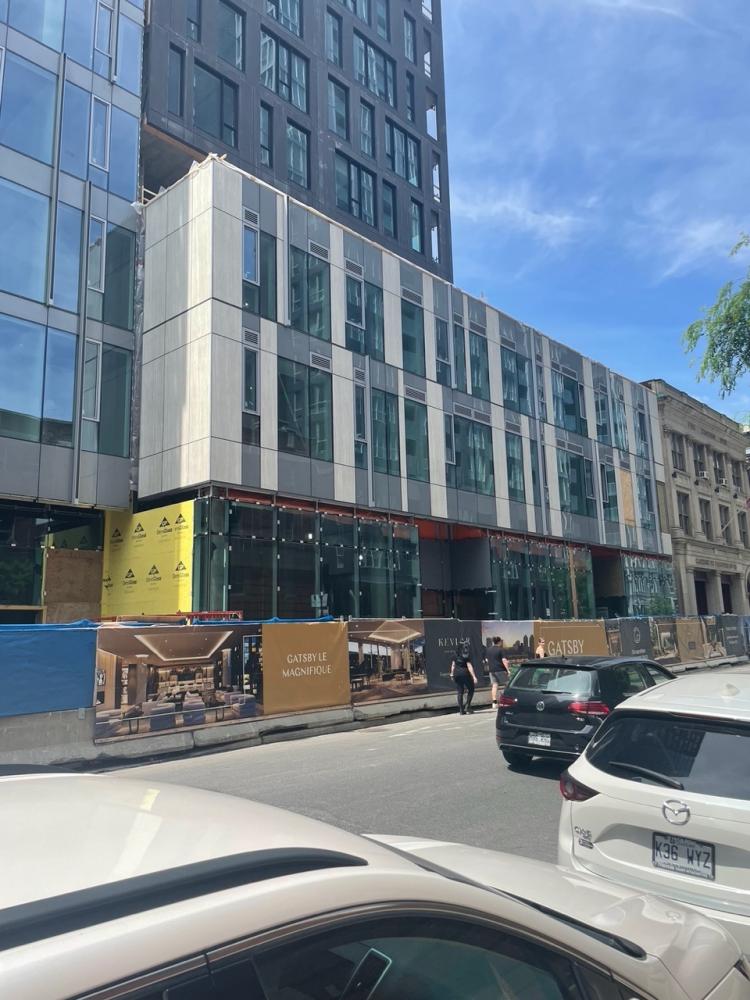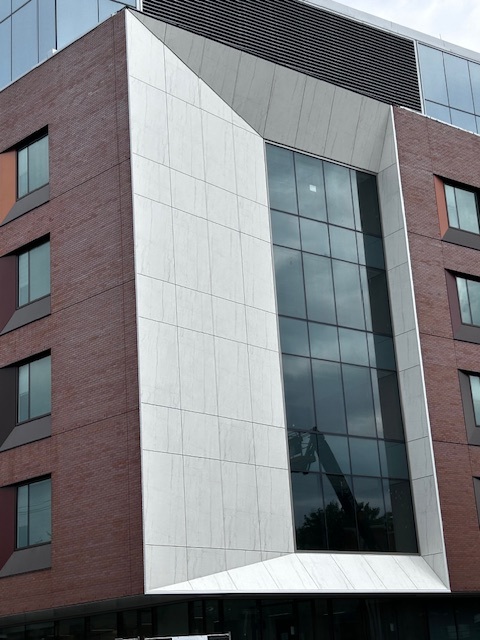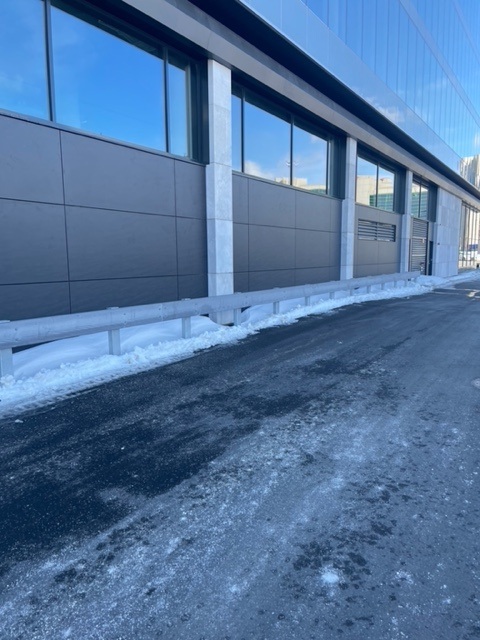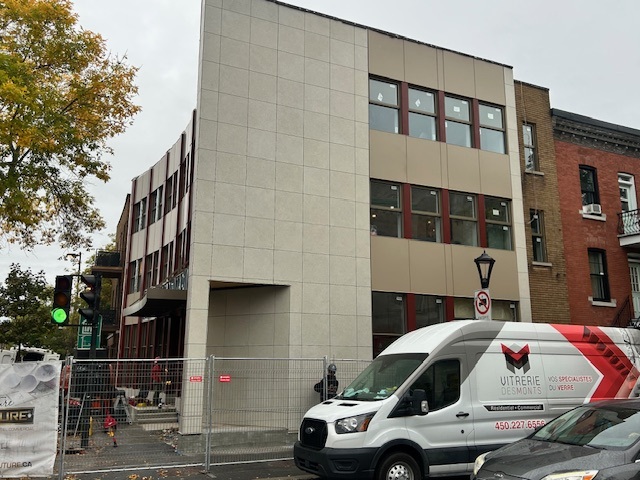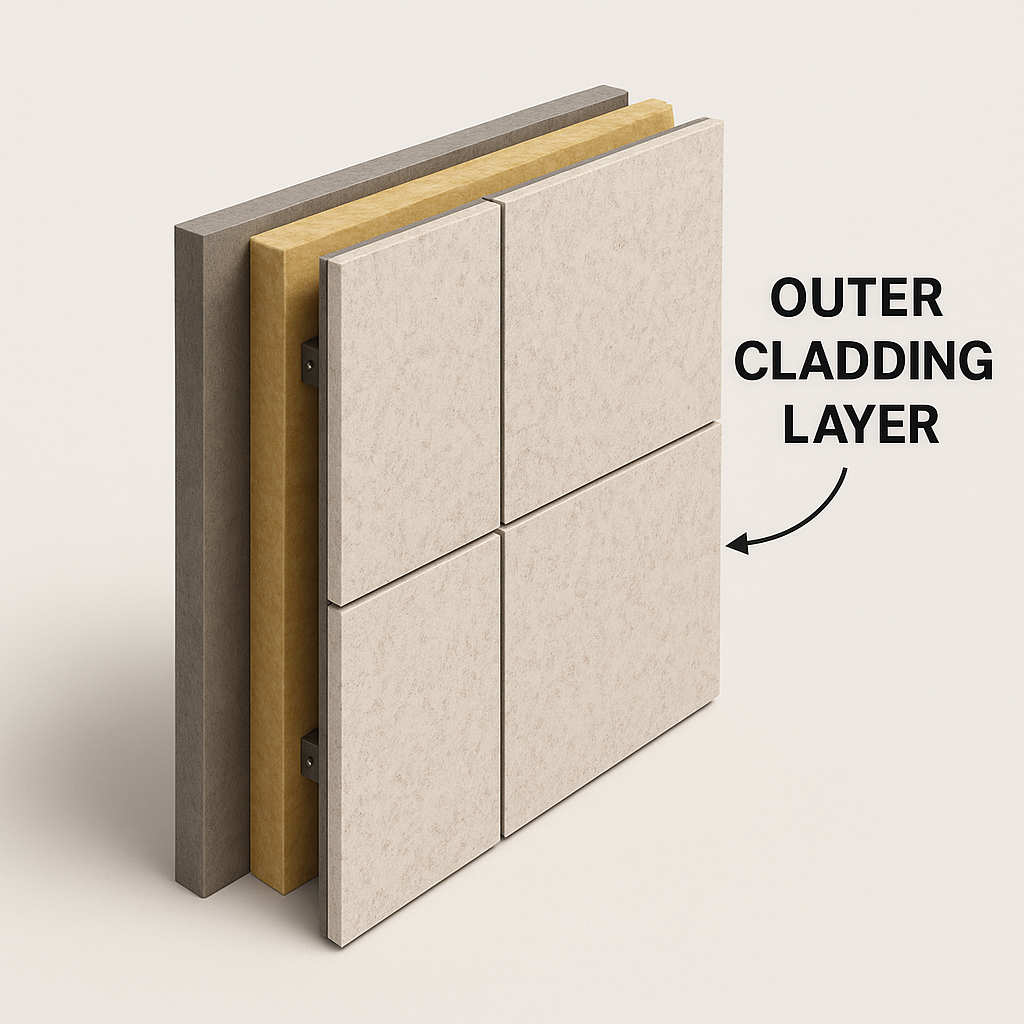
Outer cladding layer
- Made of materials like stone and sintered stone.
- Protects the building from rain, wind, and UV exposure.
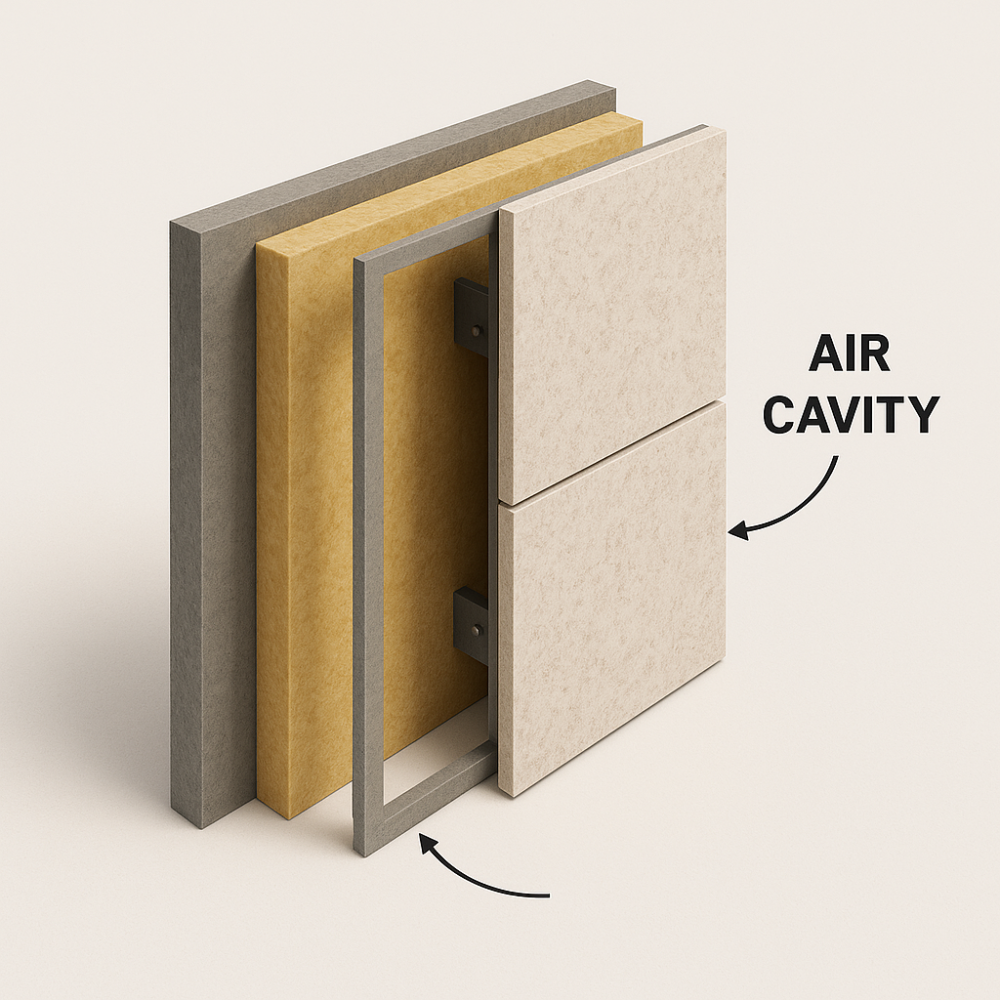
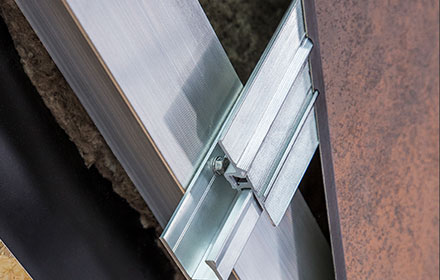
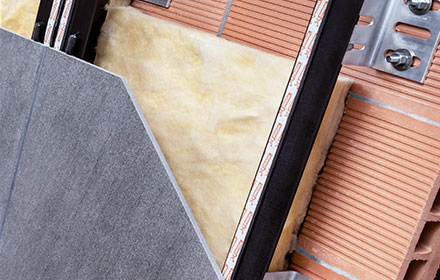
Air cavity (ventilation gap)
- A continuous space (usually 2–5 cm or more) between the cladding and the insulation.
- Allows air to flow naturally, carrying away moisture and reducing heat buildup.
- Prevents condensation on the inner wall.
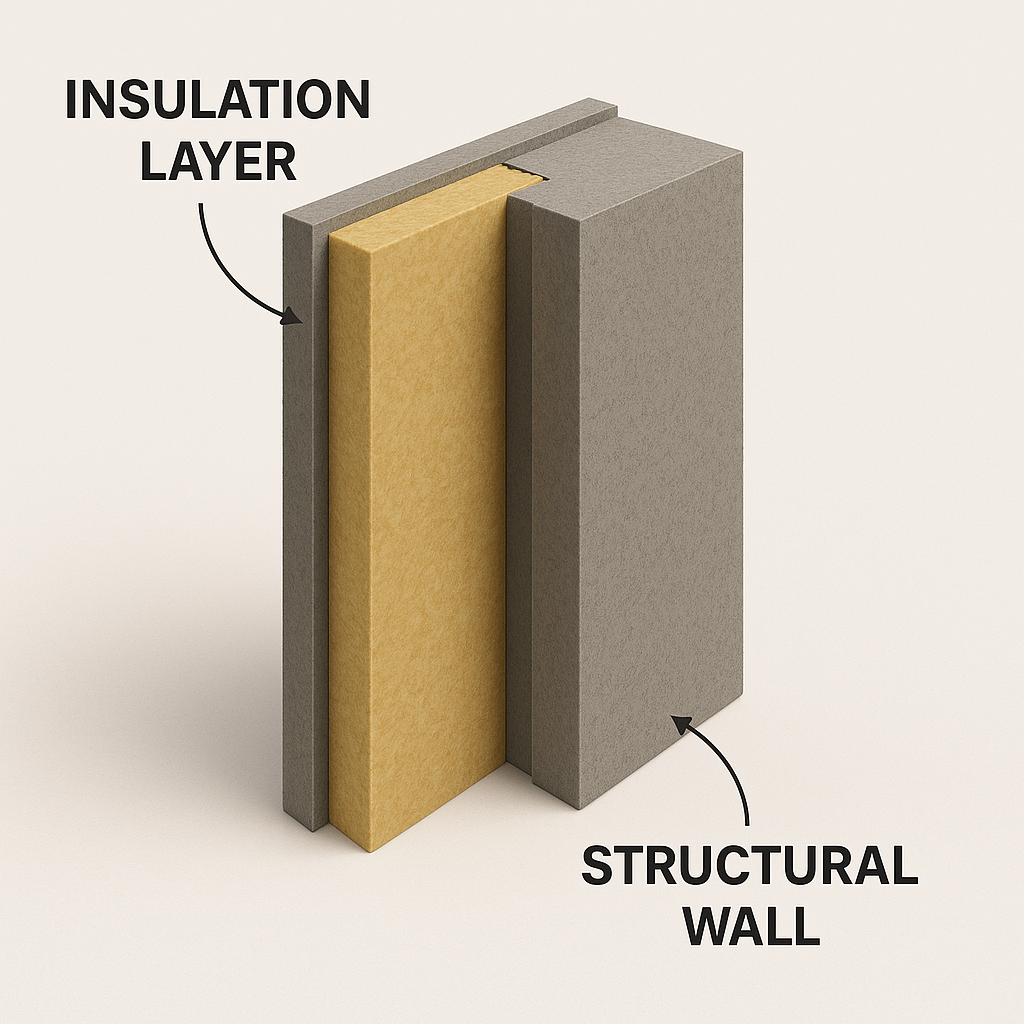
Insulation layer & structural wall
- Thermal insulation (mineral wool, foam, etc.) improves energy efficiency.
- The structural wall supports the entire system.
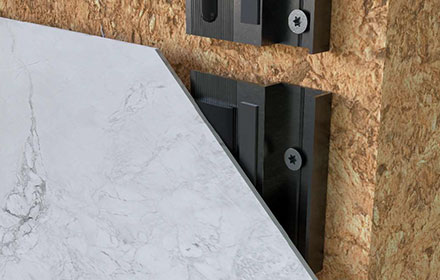
Functionalities
- Rainwater hits the outer cladding but the ventilation gap prevents it from reaching the insulation or wall.
- Air enters from the bottom and exits at the top (chimney effect), drying any moisture and reducing risk of mold.
- This setup also improves thermal performance, as it reduces heat transfer in both summer and winter.
Advantages
- Enhanced energy efficiency and thermal comfort
- Better protection against moisture and weathering
- Can improve acoustic insulation
- Long-lasting and low-maintenance
- Offers design flexibility with various materials and textures
Applications
- Office buildings, residential towers, schools, and public buildings
- Private and commercial residences
- Often used in modern architecture because it combines functionality with aesthetics